

OUR PLANTATAION
526 Acres. One Vision. Built for the Future.
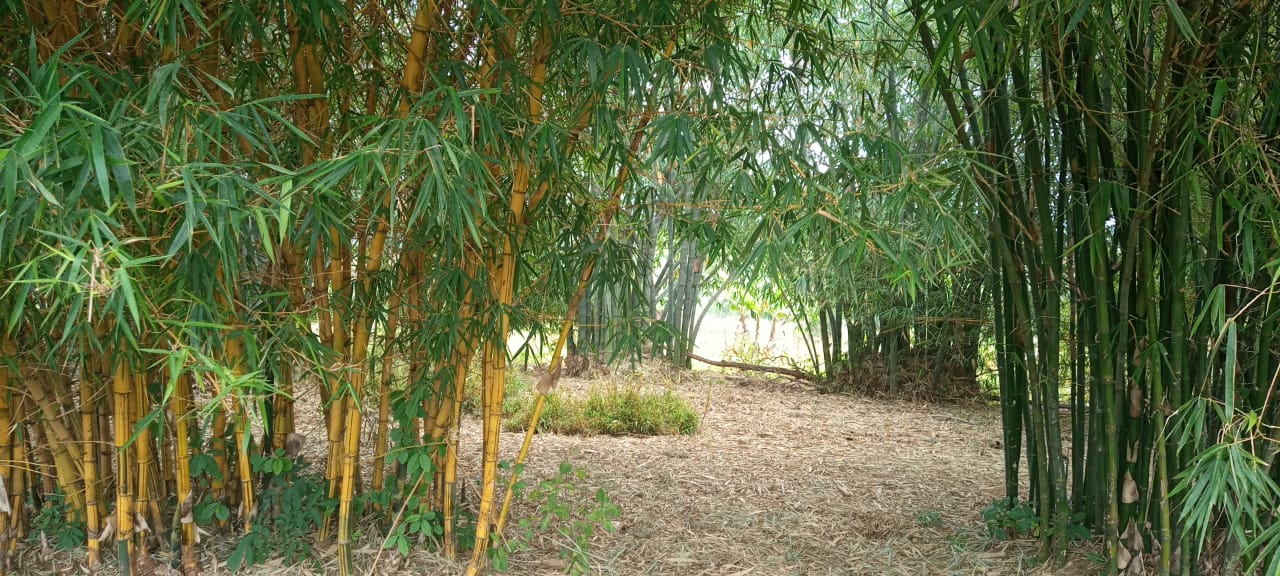
Baba Bamboo Limited plantation is the foundation of our business. Located on 526 acres of wholly owned land in Ogun State, Nigeria, it is where sustainable cultivation meets long-term industrial development.
Designed to support a fully integrated bamboo value chain, our plantation will supply raw materials for construction, agriculture, renewable energy, manufacturing, and export markets. More than a cultivation site, it is a long-term productive asset that will power BabaBamboo’s operations for decades while supporting environmental restoration, rural employment, and sustainable economic growth.
Why Ogun State
Our plantation is strategically located in one of Nigeria’s most commercially important regions.
Industrial Connectivity
Ogun State is home to one of Nigeria’s largest industrial clusters, with direct access to Lagos, the country’s largest commercial market. This location places BabaBamboo close to manufacturers, construction companies, distributors, and export infrastructure.
Logistics & Infrastructure
Excellent road networks, including the Lagos-Ibadan Expressway and Sagamu-Ore Highway, provide efficient access to domestic customers and major seaports for international trade.
Agricultural Suitability
Ogun State’s climate and soil conditions provide an excellent environment for bamboo cultivation. Ongoing agronomic assessments continue to optimise species selection and plantation design for long-term productivity.
Government Alignment
National initiatives supporting bamboo industrialisation, sustainable construction, and climate-smart development continue to strengthen Ogun State’s position as a strategic location for commercial bamboo production.
Dendrocalamus Asper
Known for its exceptionally large culms, Dendrocalamus asper is the largest of BabaBamboo’s three bamboo species and is valued for its superior strength and quality in construction and engineered building materials. It supports a range of high-value applications, including treated construction poles, furniture manufacturing, engineered boards and panels, fibre, and edible bamboo shoots. Smaller branches and processing offcuts can also be utilised for charcoal production, maximising resource efficiency across the value chain.
Bambusa Balcooa
Selected for its exceptional structural strength, Bambusa balcooa is one of the largest and most commercially important bamboo species cultivated across Asia and Africa. Widely valued for construction, biomass production, and carbon sequestration, it supports BabaBamboo’s product range, including treated construction poles, engineered structural members, and bamboo flatboards. Its strength, durability, and versatility make it an ideal material for modern, sustainable building solutions while contributing to renewable biomass production and long-term environmental sustainability.
Bambusa Vulgaris
Widely distributed across Nigeria and West Africa, Bambusa vulgaris is a fast-establishing species known for its high biomass yield and versatility. It supports BabaBamboo’s renewable energy and agricultural product lines, including charcoal, briquettes, treated agricultural poles, and scaffolding poles. Its rapid growth, adaptability, and renewable biomass potential make it an ideal species for sustainable energy production and agricultural applications.
Our Plantation Strategy
BabaBamboo is developing a diversified plantation built around three commercially important bamboo species. Each has been selected to serve different industries while strengthening the long-term resilience of the business.
Plantation Development
BabaBamboo is progressing through a carefully planned development programme designed to establish a sustainable, commercially viable plantation.
Current activities include:
- 526 acres of wholly owned land secured
- Certificate of Occupancy in place
- Soil testing and agronomic assessments completed
- Plantation design and species allocation underway
- Nursery establishment and planting preparation in progress, subject to investment
Each stage is designed to support efficient plantation establishment while laying the foundation for long-term commercial production.
Sustainability & Carbon Impact
Bamboo is one of the world’s fastest-growing renewable resources, making it an important contributor to climate-smart development. BabaBamboo’s plantation is being developed to support long-term carbon sequestration, sustainable land management, and renewable raw material production. Beyond carbon markets, the plantation represents a long-term commitment to restoring degraded land, reducing pressure on natural forests, and creating sustainable livelihoods through responsible bamboo cultivation.
Learn More
Interested in learning more about our plantation, sustainability strategy, or investment opportunity?
Get in touch with our team or visit our Investors & Partners page.